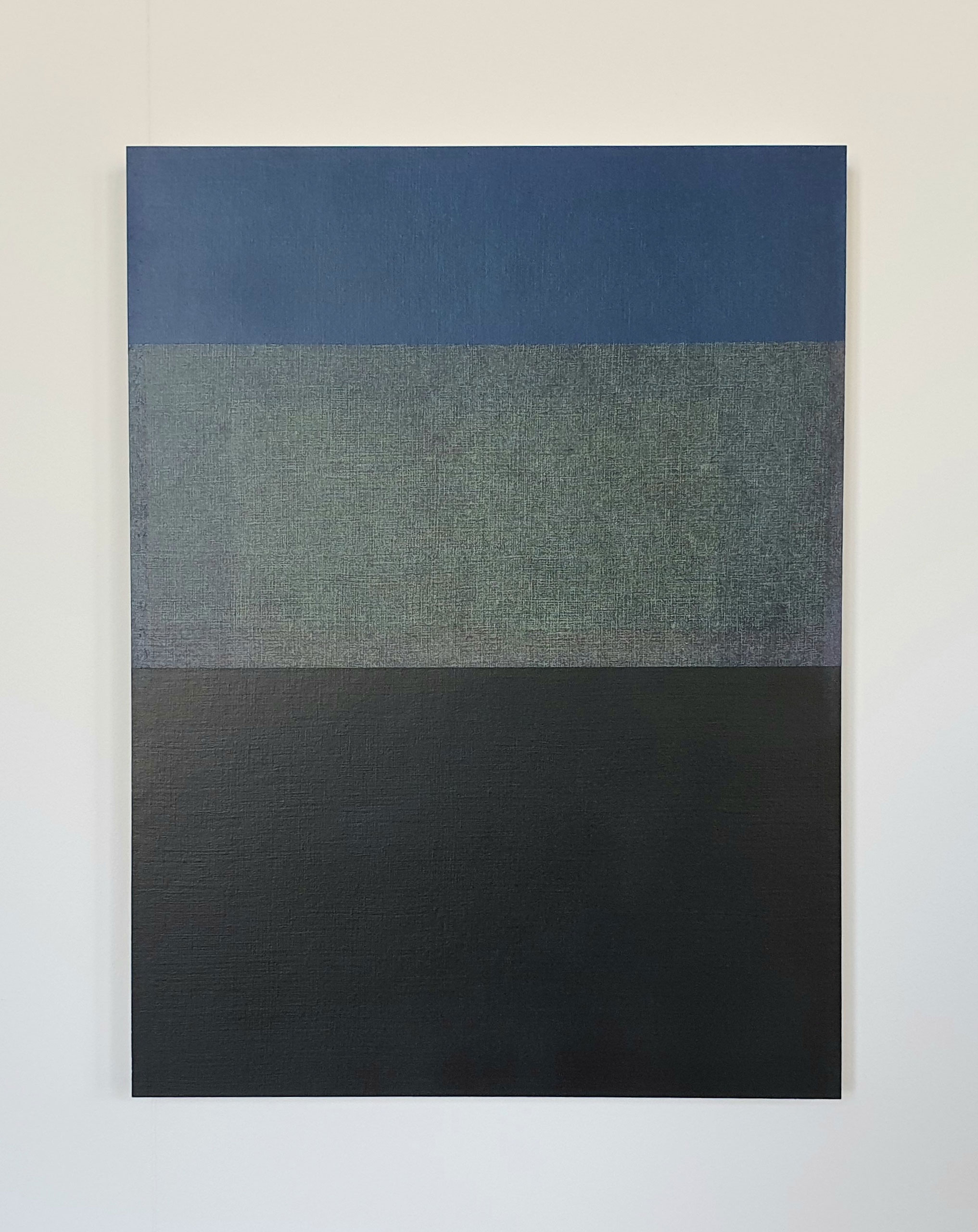
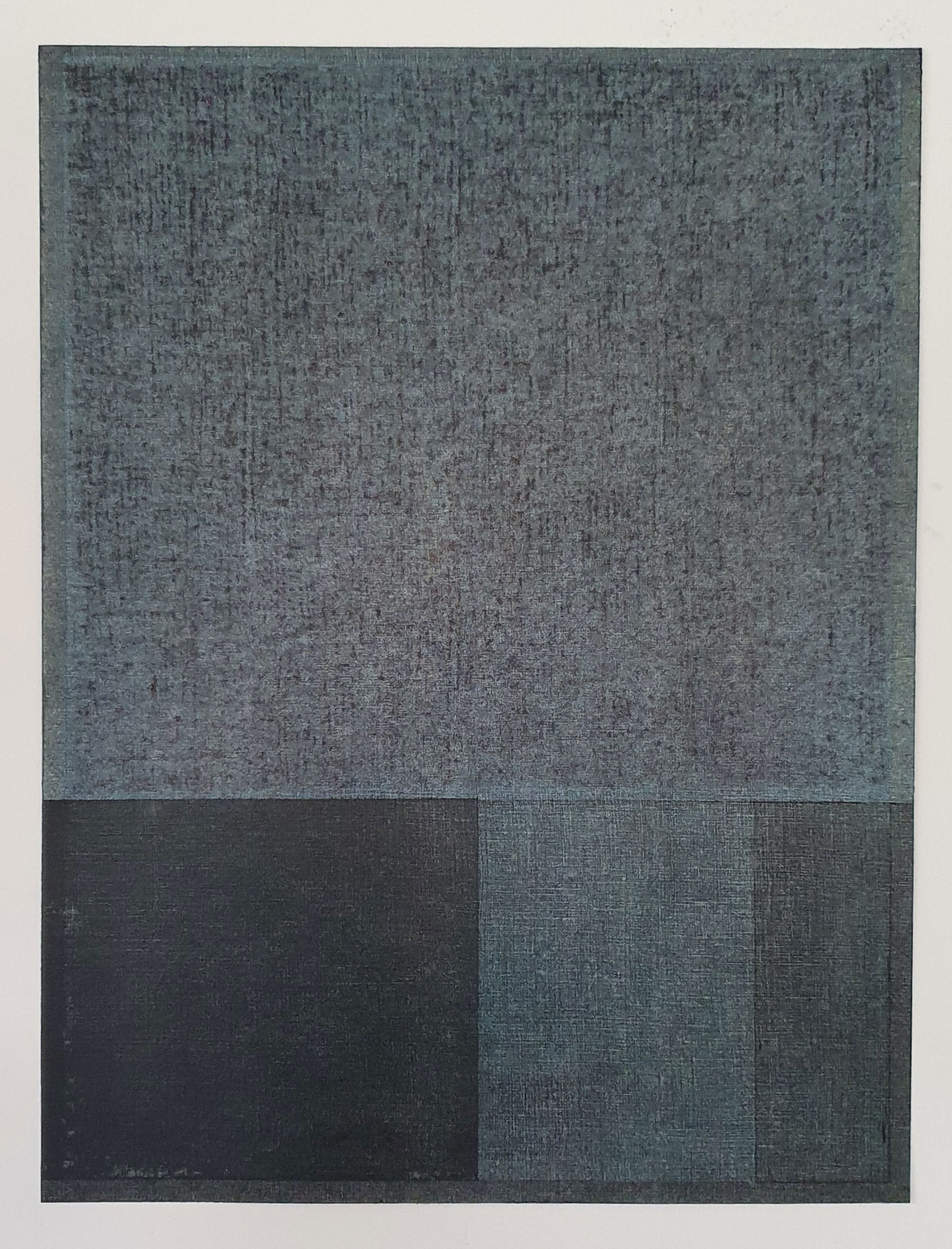
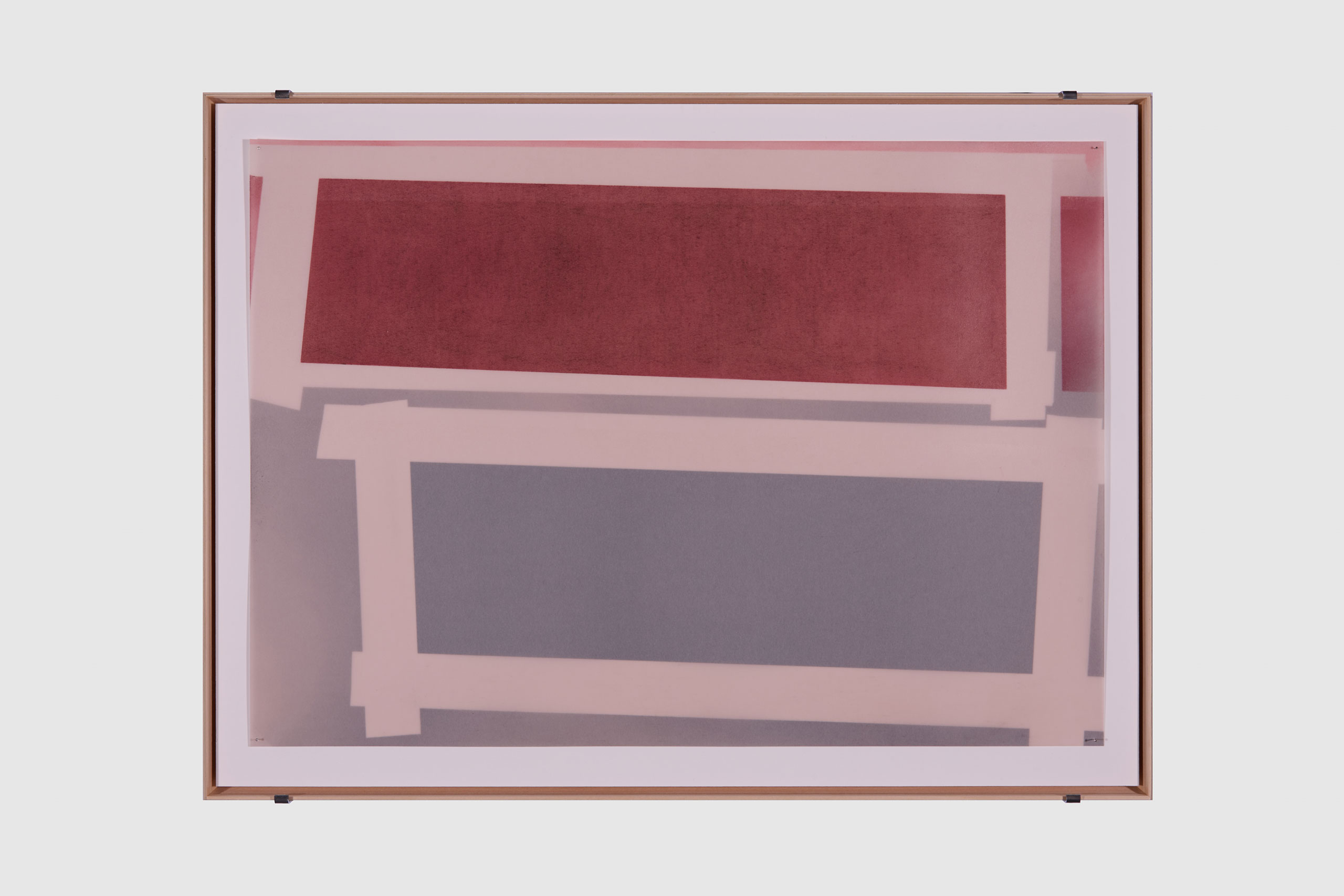
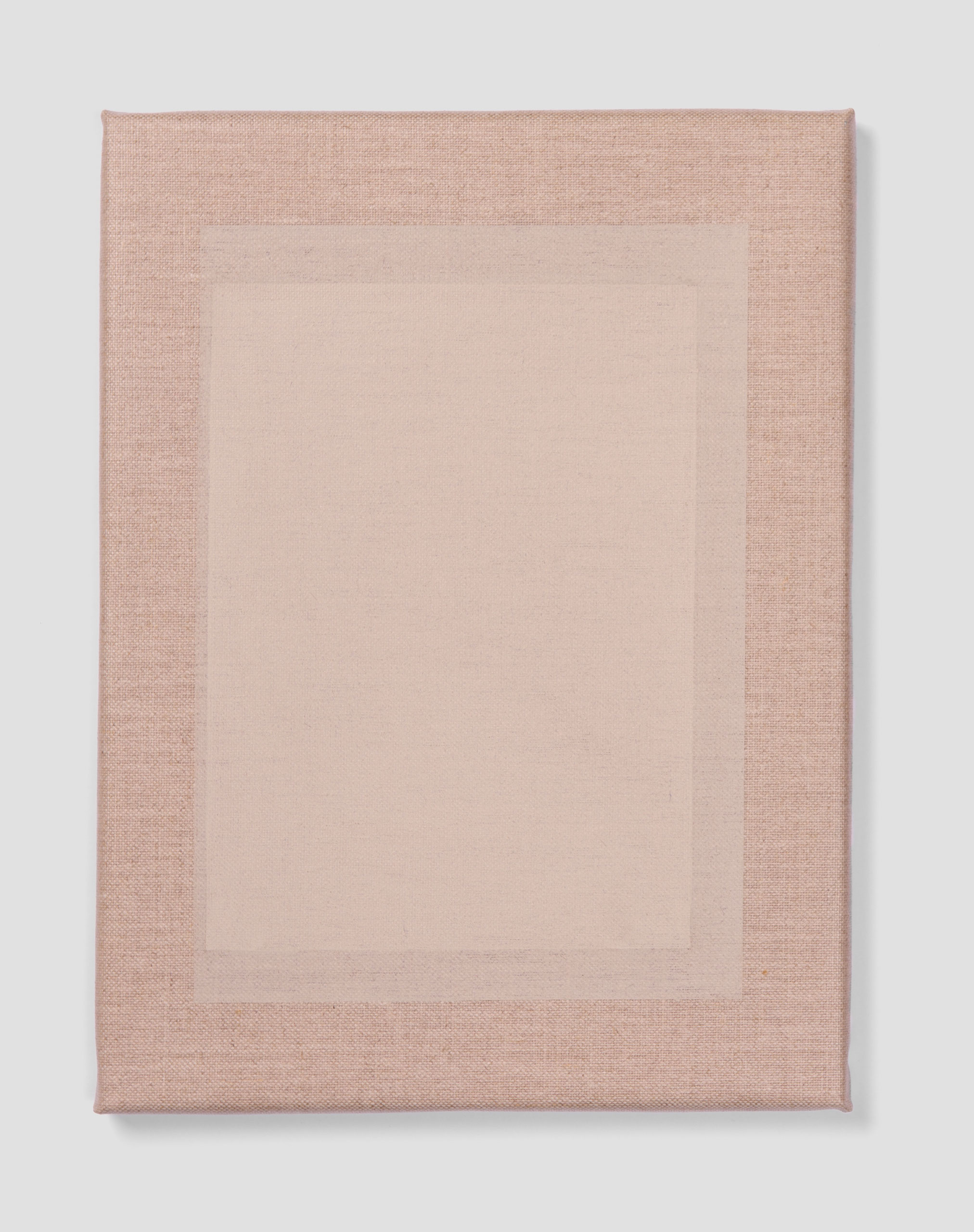
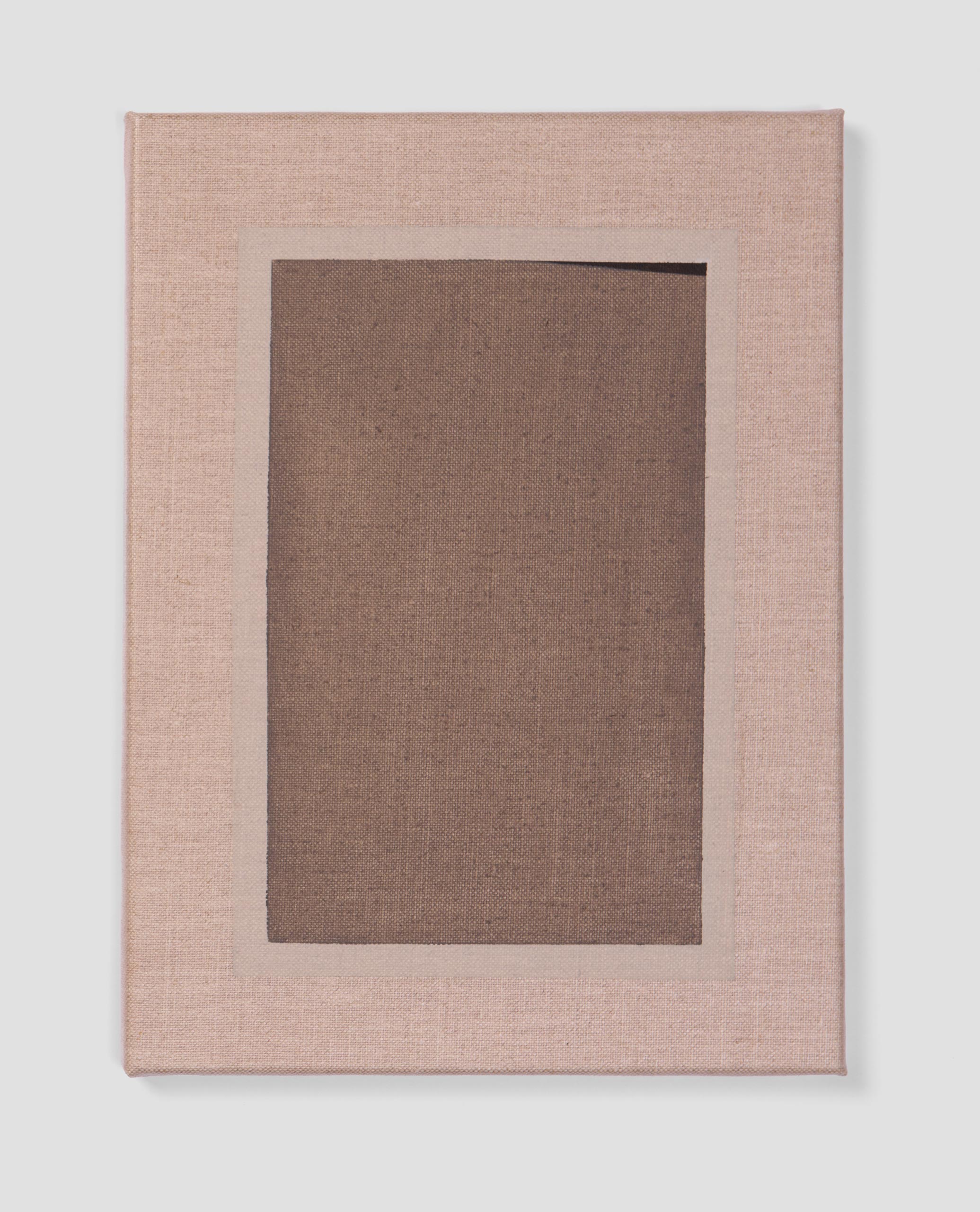
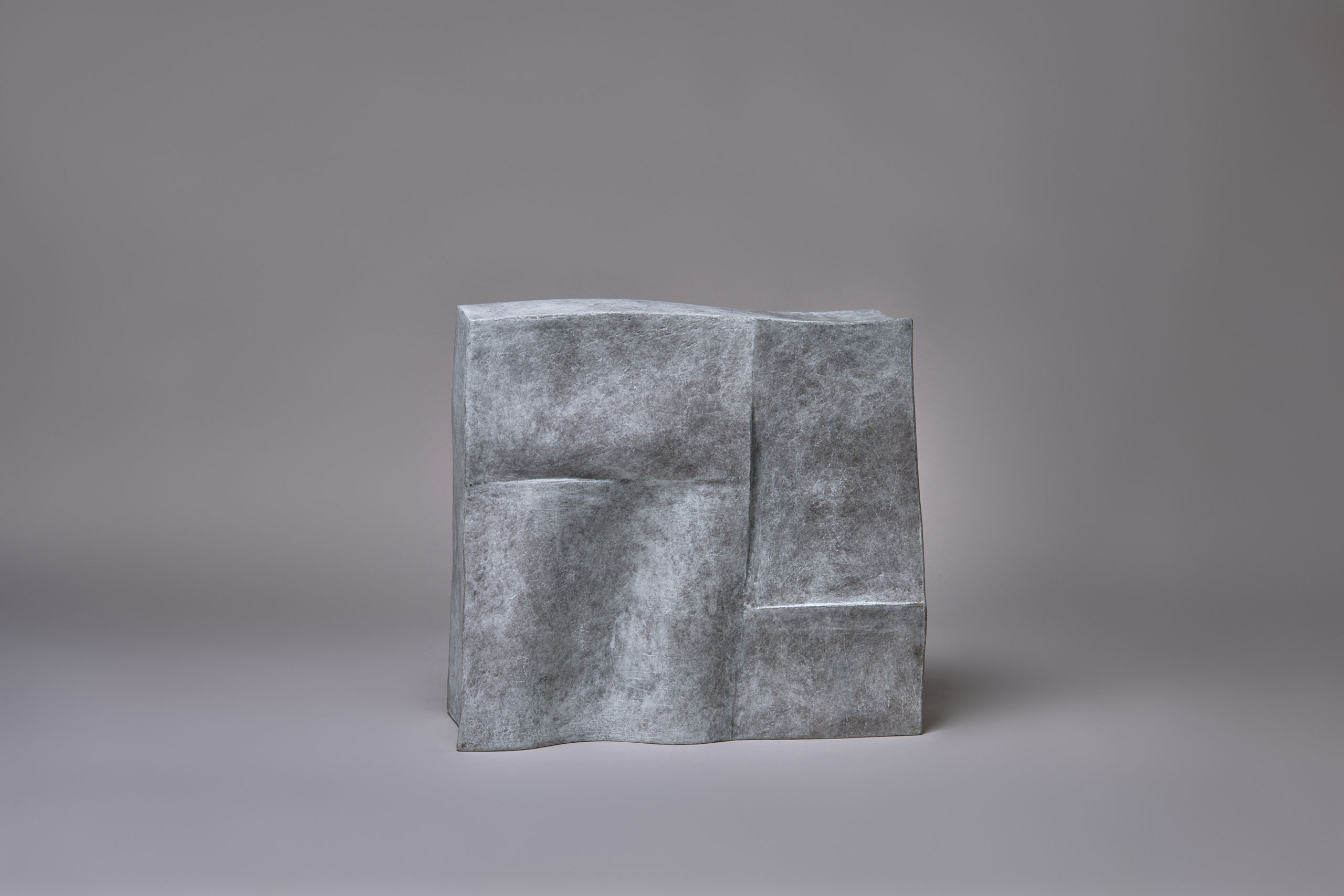
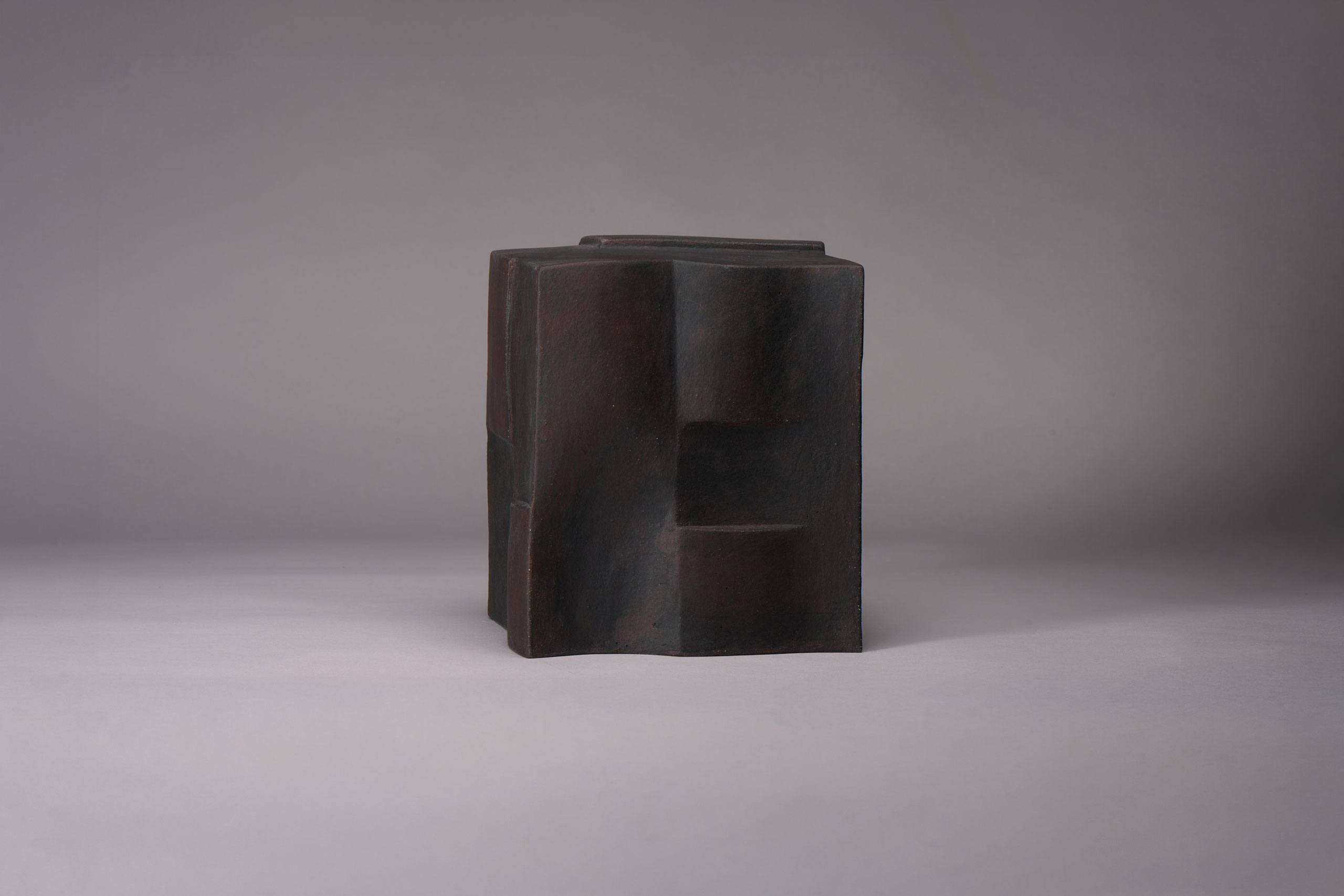
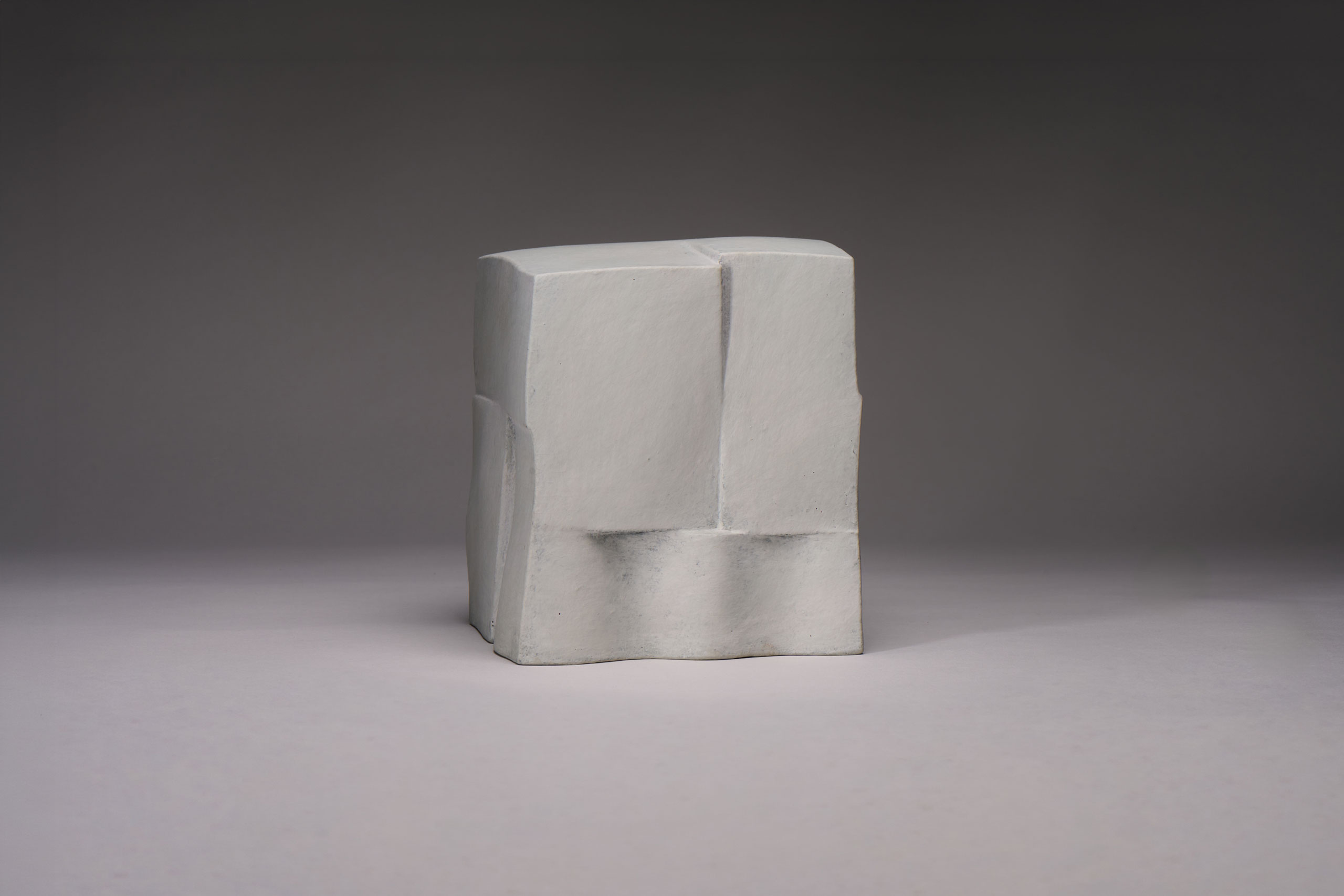
The exhibition ECHO brings together works by Christoph Abbühl, Valérie Balmer, Ken Eastman, Myriam F. Levy and Jonathan Phillips. Their work is characterised by a minimalist style, by restraint, by a reduction to essentials across various facets and media. It is an aesthetic that rejects all that is loud and noisy, which, in our current world of sensory overload, strikes one as a radical alternative. We are invited to a decelerated perception, in which quiet and subtlety can have a profound impact.
The contemporary works on display here comprise both two- and three-dimensional pieces, which resonate in a rich and varied artistic dialogue. In art, the term „echo“ describes the reverberation of different perspectives within similar artistic aims or forms of expression. While „resonance“ tends to describe the deeper emotional effect and the inner connectedness between the artist, the work and the viewer, „echo“ is the visible, the material manifestation that art is not created in a vacuum.
In the exhibition, the fundamental concept behind „echo“ is made evident in that the works are not presented in an artist by artist sequence, instead they are hung and arranged in a manner that creates sightlines: the visitor’s gaze is drawn from a two-dimensional to a three-dimensional work, enabling them to complete the formal connection – the actual „echo“ – on their own.
Hanspeter Dähler
Christoph Abbühl (b. 1953, Switzerland) gathers impressions from his surroundings: indoor and outdoor spaces, urban and rural settings, phenomena on the fringes, atmospheres and moods, the significant and insignificant. The quote by Roni Horn, „I know what I want, but rarely what it looks like“ also applies to Christoph Abbühl. He allows the image to emerge, working process-based, reducing colour and form, utilizing his material with deliberation or intuitively and spontaneously, intervening on the picture surface until the result is in harmony with what is preserved within him. His works are subject to constant change, expansion and rediscovery.
Valérie Balmer (b. 1961, Switzerland) is fascinated by letters both as personal legacies and as historical documents. Her exploration of letters, lists, diaries, stamps and photographs from the years 1914 to 1945 – an era of profound upheaval – forms the basis for her approach to potential, often untold stories. In her artistic realisation, she opts for a deliberate restraint. Through her minimalist use of form and colour, she eschews flashy presentations and instead directs the viewer’s attention to the essential: the poetic and historical dimension, with the aim of preserving these testimonies of the times and ensuring they are not forgotten. The result is a series of independent objects of remembrance.
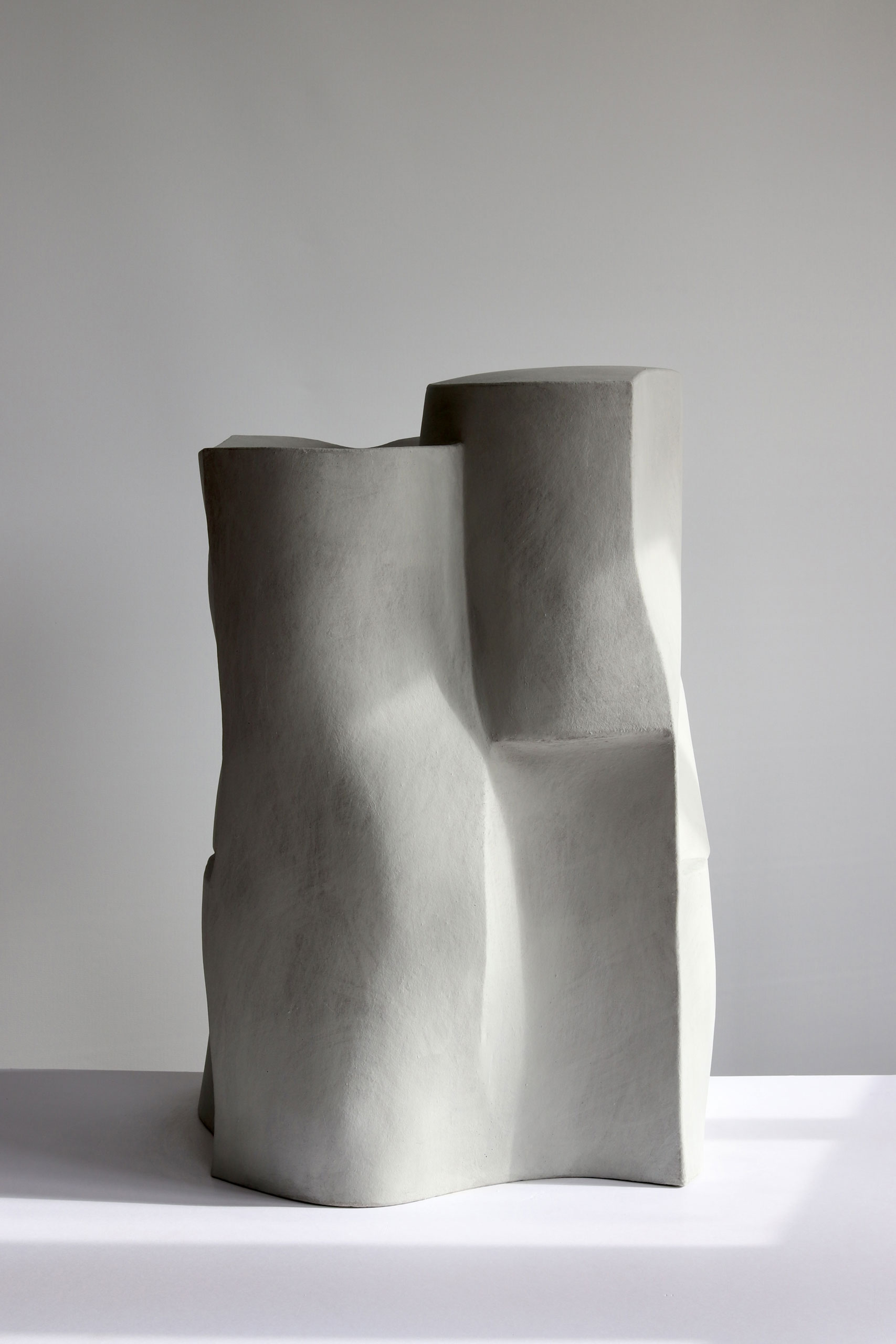
Ken Eastman (b. 1960, England) creates fascinating, multifaceted works. Variations in texture and smoothness complement one another, whilst naturalistic forms give way to angular, architectural lines. As there is no fixed viewing angle, the appearance of his works changes depending on where the viewer stands. Ken Eastman is both a sculptor and a painter. The brushstrokes are fluid and sensual, the colours restrained and unobtrusive. His works reflect the impressions of landscapes and buildings he gathers while cycling in his home county of Herefordshire, renown for its picturesque countryside of rolling hills and lush green fields.
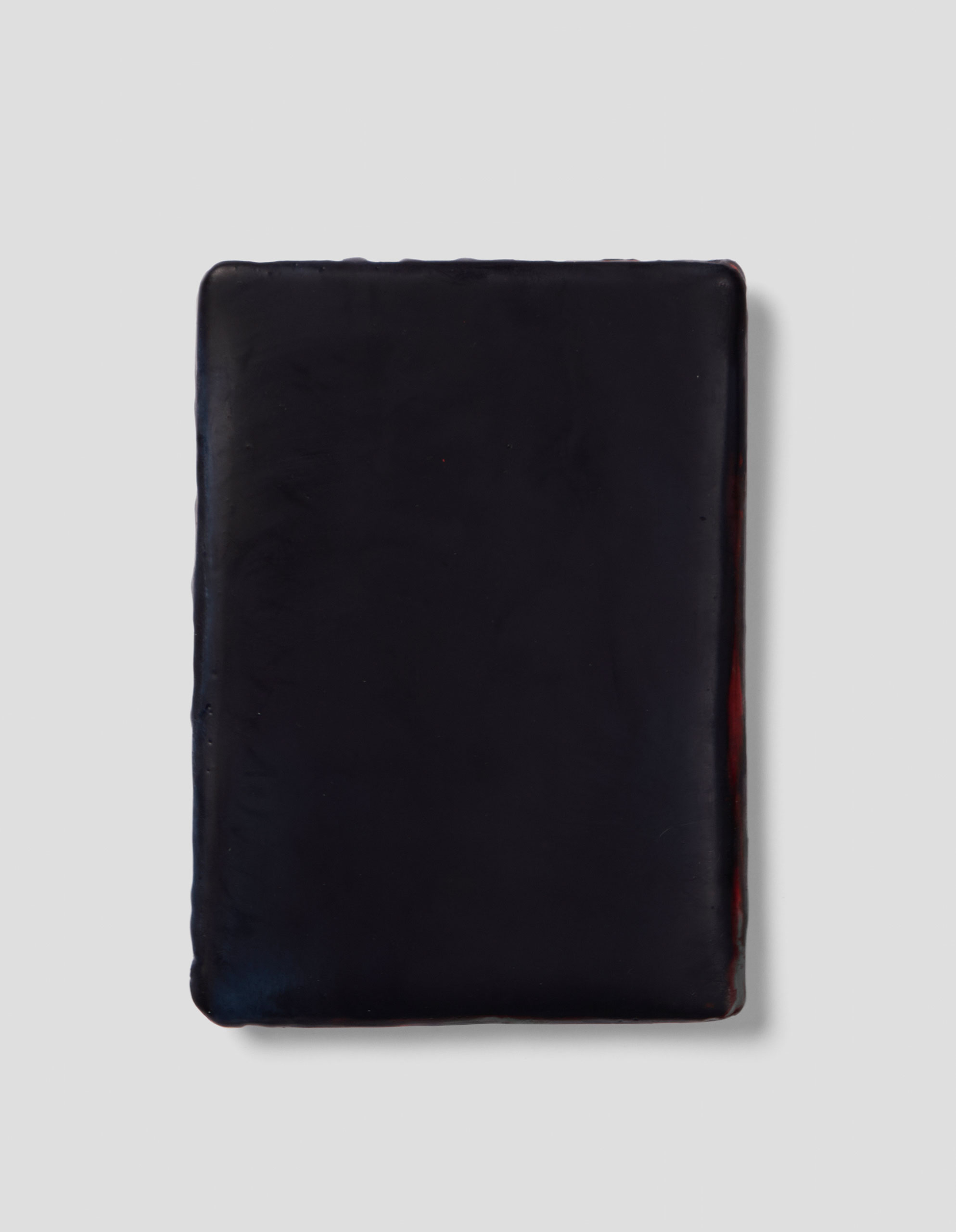
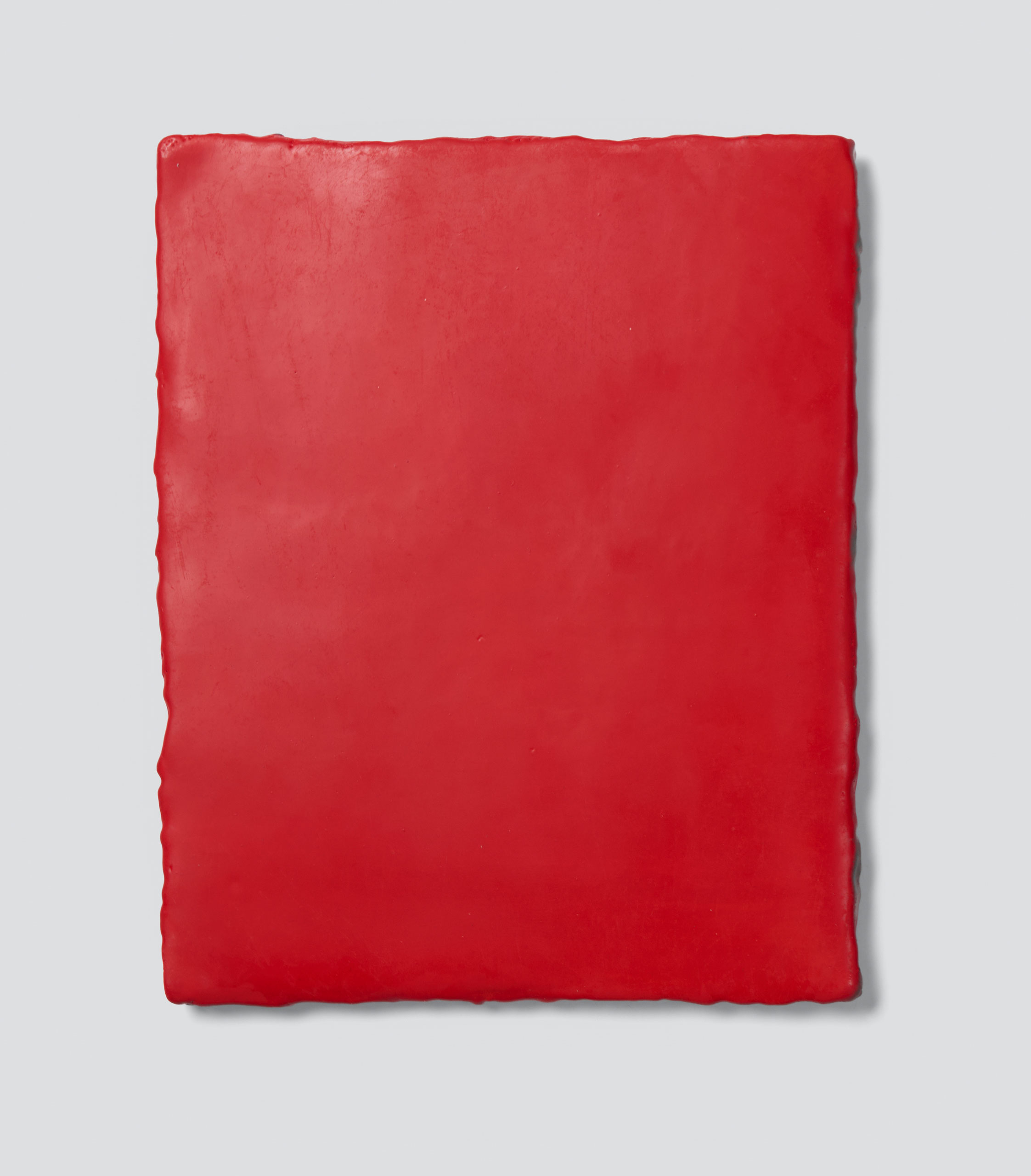
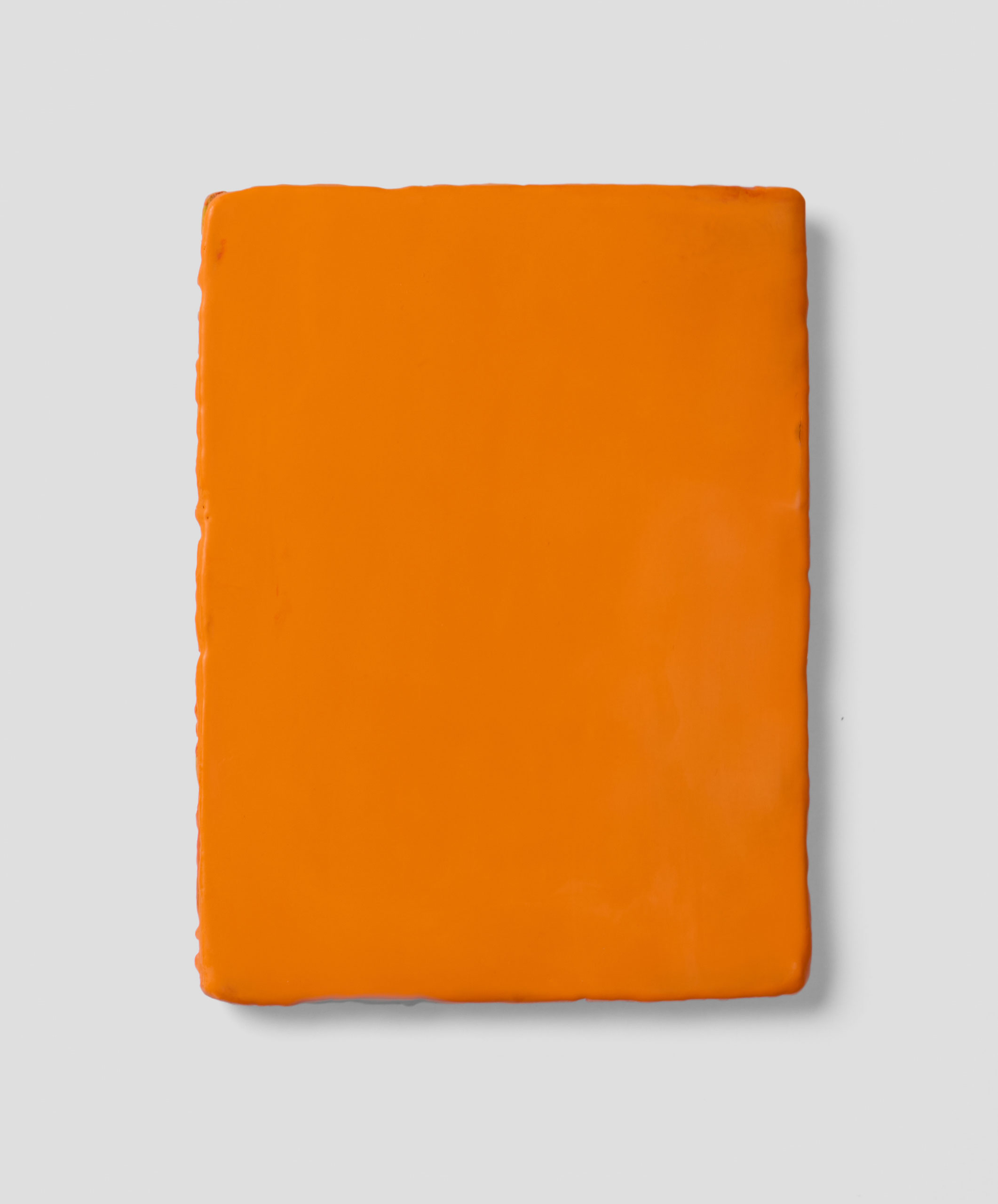
The works of Myriam F. Levy (b. 1960, Switzerland/Israel) explore the very process of how images come into being. At the heart of her practice lies the ancient art of encaustic painting. In a process-oriented working method, she builds up layer upon layer of hot wax and pigments on various supports and continues to refine them. This gives rise to pictorial objects and spaces of colour characterised by a minimalist, pared-back formal language, which unfold a distinctive tactile presence and invite sensory perception. Her works lie somewhere between painting and sculpture. Within the interplay of transparency and density, light and surface, the artist explores the dialogue between material, light and space, making their interactions immediately tangible.
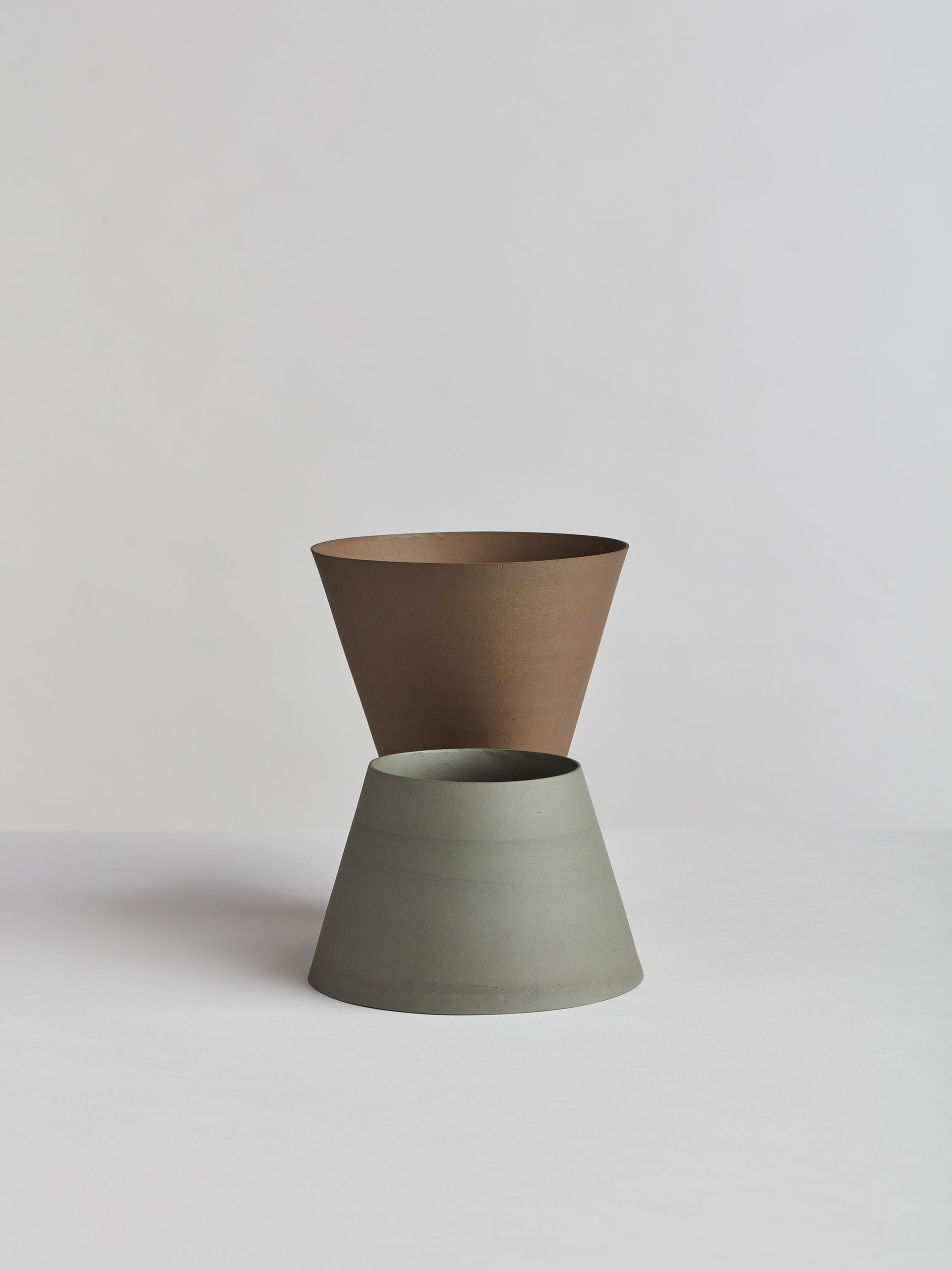
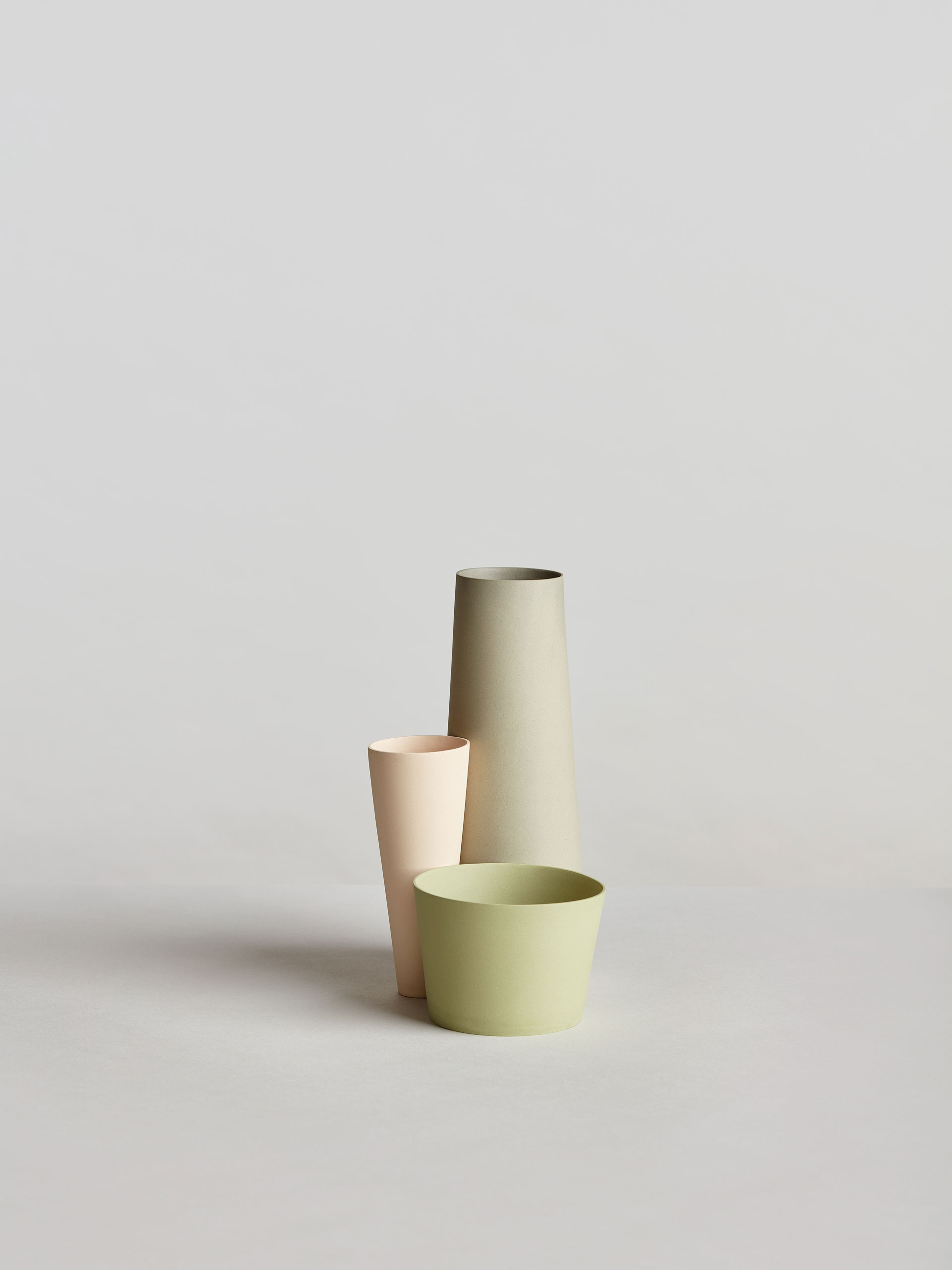
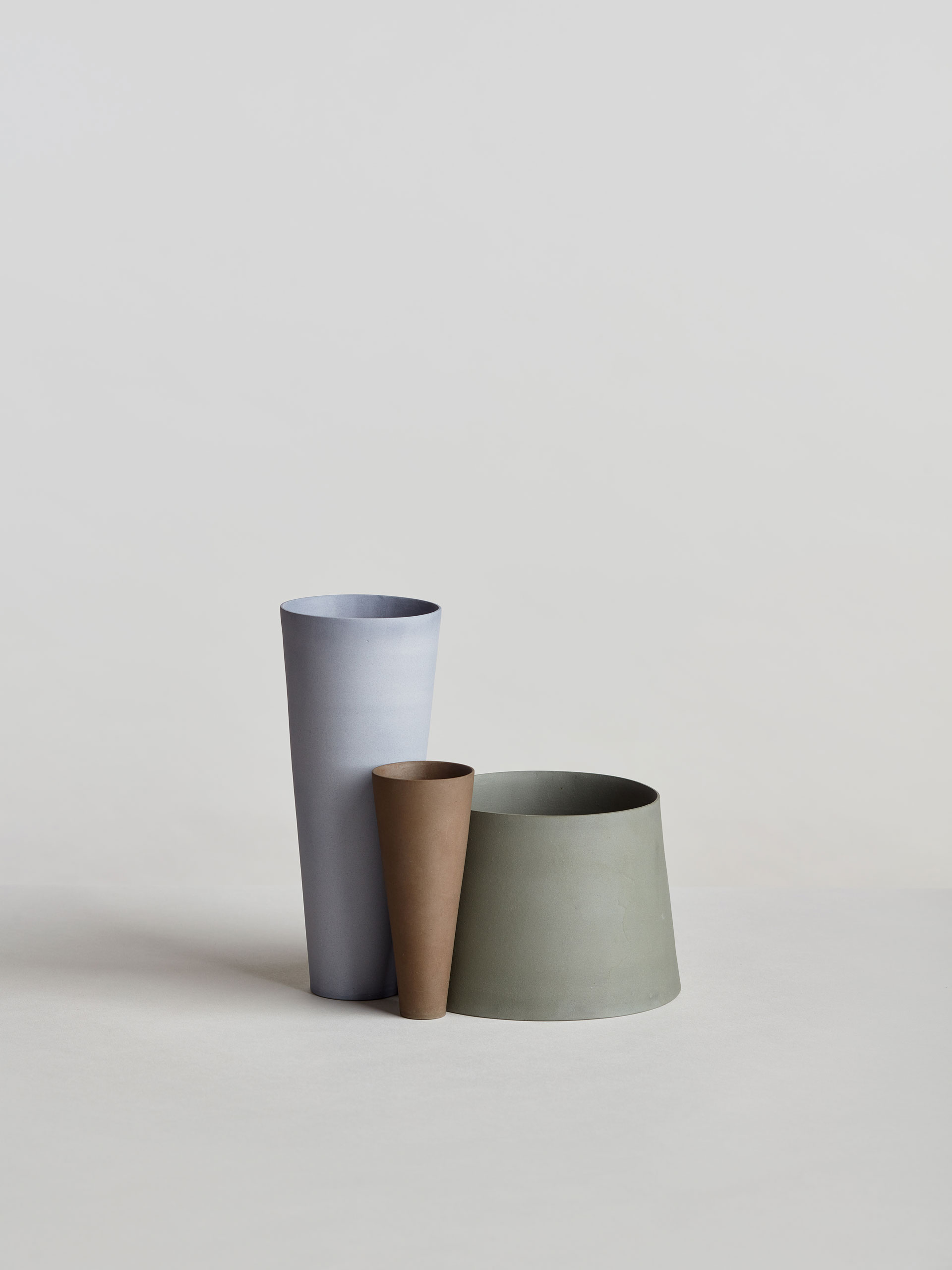
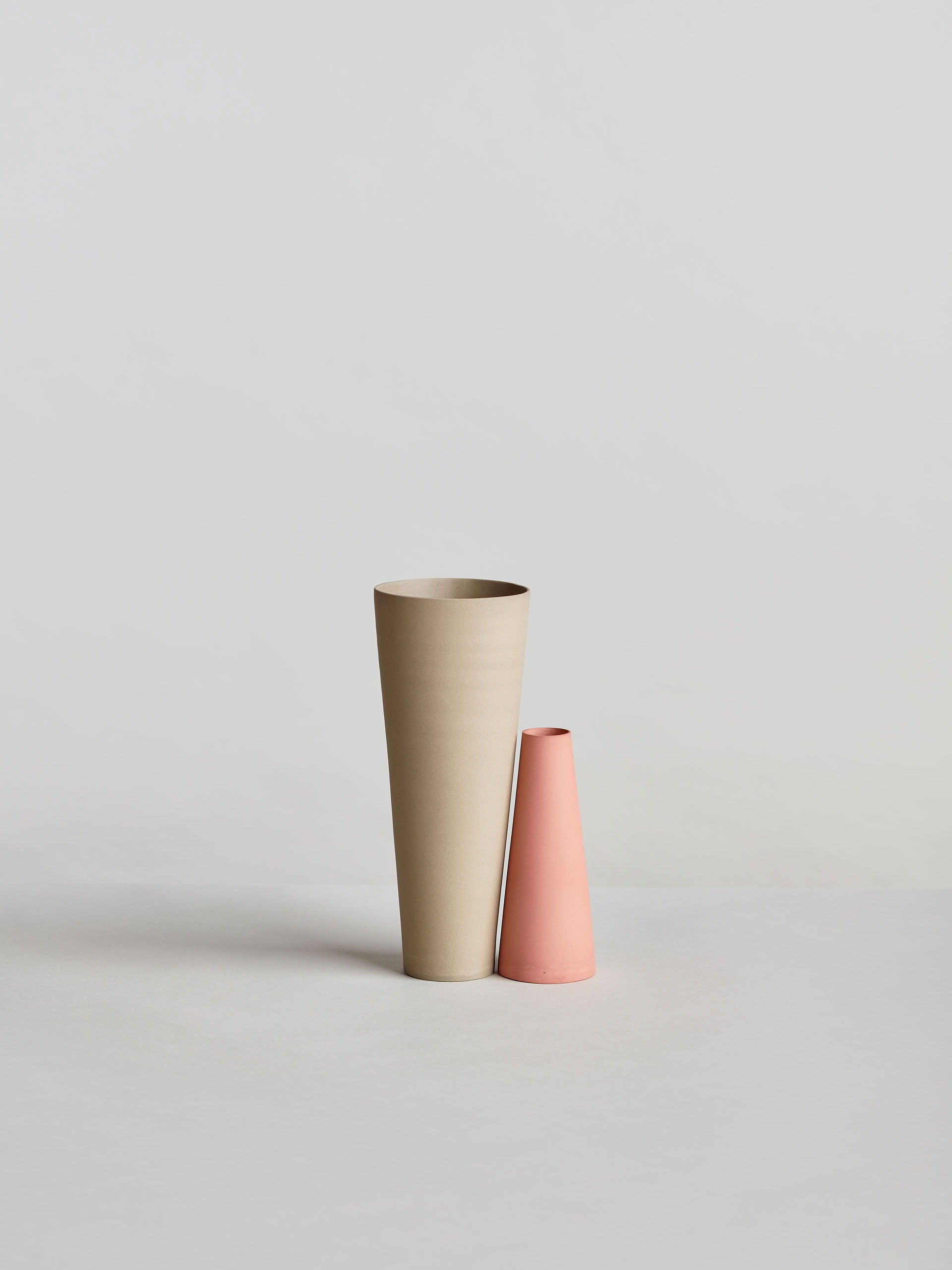
Jonathan Phillips (b. 1974, England) throws small stoneware vessels on the potter’s wheel, creating precisely proportioned geometric forms, which he then trims both inside and out to produce a thin wall, thereby emphasising the boundary between a small, enclosed interior and the boundless space beyond. He draws inspiration from stones for his colour palette. Each piece of pottery is prepared by adding natural pigments and polished between firings to achieve a smooth, tactile surface. Jonathan Phillips has chosen this method of working to highlight what he considers to be „an innate quality of light within the material“. The colour of the natural stone reveals itself slowly and rewards patient observation.